
Drifting vs Anchoring for Sea Fishing – Which Is Best?
When it comes to sea fishing from a boat, one of the first decisions you’ll make on arrival at your mark is whether to drift or anchor. Both methods catch fish, both have their place, and choosing the right one can make the difference between a great day afloat and a quiet one.
This guide breaks down the pros, cons, and best uses of drifting and anchoring, especially for small boats fishing UK coastal waters.
What Is Drifting?
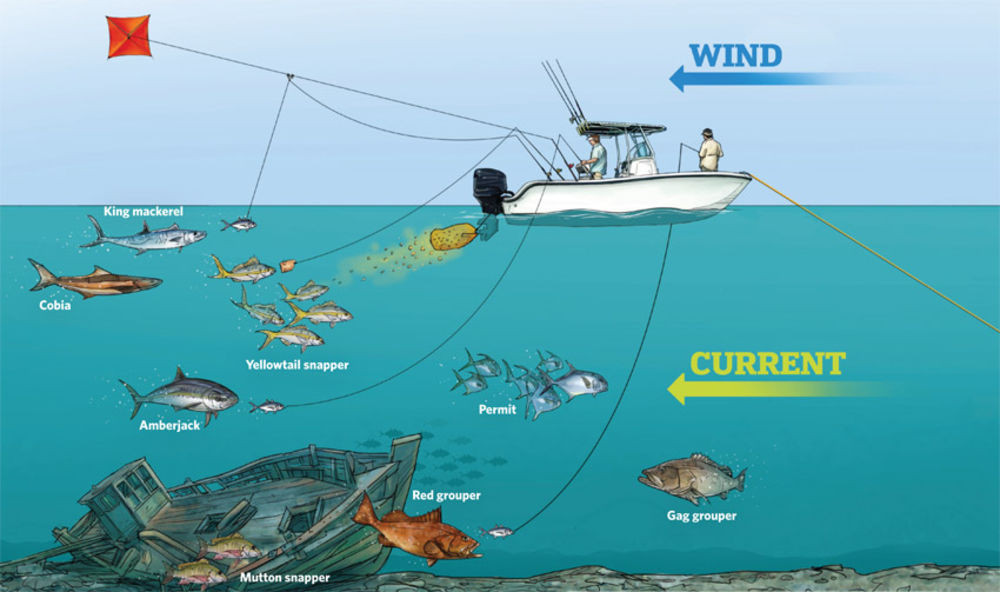
Drifting is exactly what it sounds like — allowing the boat to move naturally with the wind and tide while you fish.
You’re not fixed to one spot; instead, you cover ground, letting your bait or lure move across different depths and features.
Best Situations for Drifting
- Searching for shoals of fish
- Fishing over mixed ground (sand, shingle, rough patches)
- When fish are actively feeding
- Lure fishing or light bait fishing
Advantages of Drifting
- Covers a lot of ground quickly
- Ideal for finding fish when you’re unsure where they are
- Great for lure fishing (mackerel, pollack, bass)
- Less setup time than anchoring
Disadvantages of Drifting
- Can drift too fast in strong wind or tide
- Harder to stay precisely on a mark
- Less effective for static species like rays and conger
Typical Drift Fishing Species (UK)
- Mackerel
- Pollack
- Bass
- Cod (on the drift in winter)
- Coalfish
What Is Anchoring?
Anchoring means positioning the boat over a chosen mark and staying there. This is a more targeted approach, commonly used when you know fish are holding in a specific area.
Once anchored, you fish baits on the seabed or just above it, often using a groundbait trail to draw fish in.
Best Situations for Anchoring
- Fishing known marks such as reefs, wreck edges, or rough ground
- Targeting bottom-hugging species
- When tides are manageable
- Longer, more patient fishing sessions
Advantages of Anchoring
- Keeps you precisely over a productive spot
- Allows use of groundbait to attract fish
- Ideal for larger, territorial species
- More relaxed style of fishing
Disadvantages of Anchoring
- Takes time and skill to set correctly
- Can be risky in strong tides or over foul ground
- Less effective if fish are widely spread
Typical Anchored Fishing Species (UK)
- Cod
- Conger eel
- Rays
- Smoothhound
- Dogfish
- Bream
Safety Considerations (Especially for Small Boats)
For small inshore boats, safety should always influence your choice.
Drifting Safety Tips
- Always keep the engine ready to start
- Watch your position relative to shore, rocks, and shipping lanes
- Use a drift sock to slow the boat if needed
Anchoring Safety Tips
- Never anchor from the stern
- Use a proper anchor setup with chain and warp
- Carry a quick-release system or knife
- Avoid anchoring in strong tides or rough weather
If conditions feel wrong — don’t anchor. Drifting is often the safer option in marginal weather.
Which Is Best: Drifting or Anchoring?
There’s no single “best” method — it depends on conditions, target species, and your experience level.
Drifting Is Best If:
- You’re searching for fish
- Fishing lures or light tackle
- Wind and tide allow a controlled drift
Anchoring Is Best If:
- You know the mark is productive
- Targeting bottom-dwelling species
- Conditions are calm and manageable
Many experienced anglers use both on the same trip: drifting to find fish, then anchoring once a productive area is located.
Final Thoughts
Drifting and anchoring are both proven sea fishing methods, and mastering when to use each will dramatically improve your catch rates. For small boat anglers, flexibility is key — read the conditions, know your species, and always put safety first.
Whichever method you choose, time on the water is never wasted.

 By
By