

Small inshore boats are great fun and perfectly capable—but only when properly equipped. Conditions close to shore can change quickly, and having the right safety gear on board can turn a bad situation into a manageable one.
This guide covers the essential safety equipment every small inshore boat should carry.
Lifejackets (One Per Person – Minimum)
This is non-negotiable.
- One properly fitting lifejacket for every person onboard
- 150N recommended for most inshore boating
- Automatic or manual inflation depending on preference
- Check cylinders and expiry dates regularly
Wear them, don’t just stow them—especially in cold water.
Kill Cord (Engine Cut-Off Lanyard)
If your outboard has a kill cord, use it.
- Stops the engine if the driver is thrown overboard
- Prevents the boat circling or running away
- Cheap, simple, and incredibly effective
Most single-handed accidents involve no kill cord.
Means of Communication
If something goes wrong, you need to call for help.
At least one of the following:
- Fully charged mobile phone in a waterproof case
- Handheld VHF radio (Channel 16 monitored)
Ideally carry both—phones don’t always have signal offshore.
Visual Distress Signals
Being seen is as important as being heard.
- Red handheld flares (in date)
- Orange smoke flare (excellent for daylight)
- Waterproof torch or strobe light
Check expiry dates—out-of-date flares may fail.
Anchor and Rope
An anchor can stop a problem becoming an emergency.
- Correct anchor for your seabed
- Adequate warp and chain
- Strong attachment point on the boat
Even in shallow water, drifting can be dangerous.
First Aid Kit
A basic marine first aid kit should include:
- Plasters and sterile dressings
- Bandages and antiseptic wipes
- Seasickness tablets
- Personal medication
Keep it dry and accessible.
Fire Extinguisher (If Applicable)
If your boat has:
- A fuel tank
- An inboard engine
- Electrical systems
Carry a suitable marine fire extinguisher and check it annually.
Paddle or Oars
Even with an outboard, manual propulsion is essential.
- Useful for engine failure
- Helps manoeuvre near slips or pontoons
- Lightweight paddles take up little space
Never rely solely on the engine.
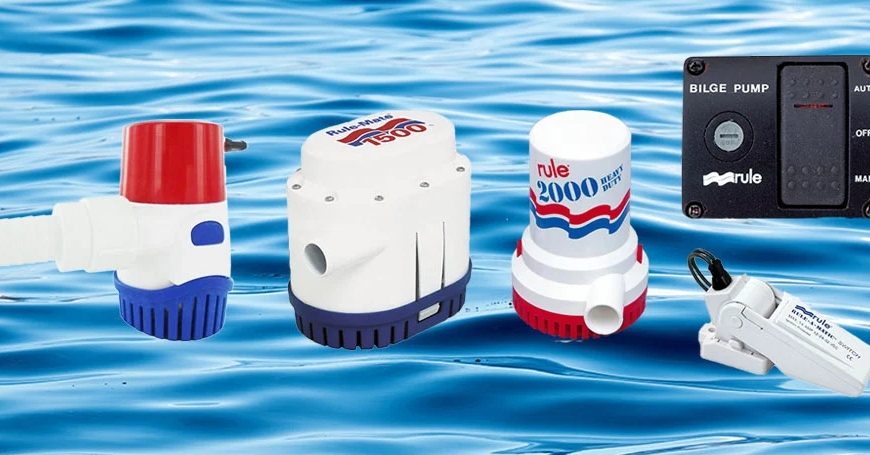
Bailer or Bilge Pump
Water in the boat is always a concern.
- Manual bailer for small open boats
- Bilge pump (manual or electric) for larger craft
Keep it within easy reach.
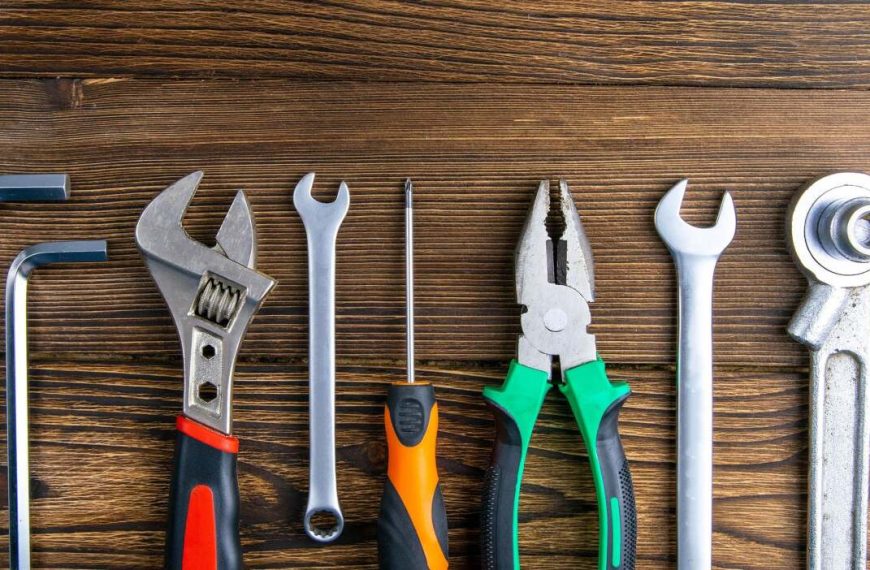
Tool Kit and Spares
A small toolkit can save the day.
Consider carrying:
- Spark plugs and plug spanner
- Basic tools
- Fuel line and bulb
- Electrical tape and cable ties
Simple fixes offshore can prevent a long wait for rescue.
Navigation Aids
Even close to shore, visibility can drop quickly.
- Paper chart or local knowledge notes
- Compass (handheld or fixed)
- GPS or phone navigation app
Know where you are and where you’re going.
Final Thoughts
You don’t need to overload your boat, but you do need to be prepared.
- Check your safety gear before every trip
- Replace expired or damaged items
- Adjust equipment for season and weather
A small inshore boat, properly equipped, is a safe and enjoyable way to get on the water
- ✅

 By
By