

LED lighting is one of the simplest and most worthwhile upgrades you can make to a small boat. It improves visibility, safety, and comfort while using very little power—ideal for boats with limited battery capacity.
This guide walks you through how to install LED lighting onboard safely and correctly.
Why Choose LED Lighting?
LEDs are perfect for marine use because they are:
- Energy efficient (low battery drain)
- Bright with minimal heat
- Long-lasting
- Available in waterproof marine-rated options
They’re ideal for cockpit lighting, cabins, lockers, and navigation lights.
Plan Your Lighting First
Before fitting anything, decide:
- Where light is actually needed
- Whether it’s task lighting or ambient lighting
- How many lights you’ll install
- Where the power will come from
Avoid over-lighting—small boats need less than you think.
Choose Marine-Grade LEDs
Always use marine-rated fittings.
Look for:
- IP65 or higher waterproof rating
- Corrosion-resistant housings
- 12V DC compatibility
- Warm white or red options for night vision
Household LEDs rarely last in a marine environment.
Common LED Locations on Small Boats
Popular choices include:
- Cockpit courtesy lights
- Under-gunwale lighting
- Cabin or cuddy lights
- Locker and storage lights
- Engine bay inspection lights
Navigation lights must meet COLREGS regulations—don’t improvise here.
Tools and Materials You’ll Need
- LED lights and mounting hardware
- Marine-grade tinned copper wire
- Inline fuse holder and correct fuse
- Waterproof switch (if required)
- Heat-shrink connectors
- Drill and small bits
- Cable clips or conduit
Use the correct tools—poor wiring causes most boat electrical issues.
Wiring Basics (Keep It Simple)
Most LED installations follow this setup:
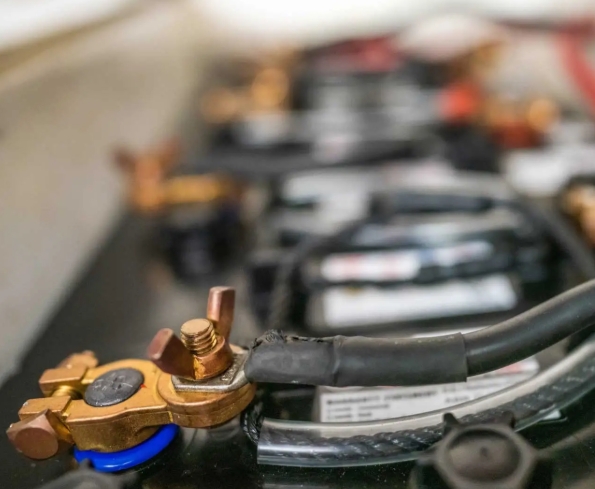
- Positive feed from battery or fuse panel
- Inline fuse close to the power source
- Switch on the positive side
- Negative return to the common ground
Never wire LEDs directly to the battery without fusing.
Step-by-Step Installation
- Disconnect the battery before starting
- Mount the LED light securely
- Run the wiring neatly and away from sharp edges
- Install an inline fuse close to the power source
- Fit the switch in a convenient, dry location
- Crimp and heat-shrink all connections
- Reconnect the battery and test
Take your time—tidy wiring lasts longer and is safer.
Night Vision and Colour Choice
For night boating:
- Use red LEDs to preserve night vision
- Avoid bright white light when underway
- Keep cockpit lighting low-level
Good lighting helps you see without blinding yourself.
Common Mistakes to Avoid
- Using automotive or household wiring
- No fuse or incorrect fuse size
- Poor-quality connectors
- Leaving exposed joins
- Overloading a single circuit
Most LED failures are due to bad installation, not the lights themselves.
Safety and Legal Considerations
- Navigation lights must be correctly positioned and visible
- Interior lighting should not obscure nav lights
- Wiring must be secure and protected
If in doubt, consult a marine electrician—especially for critical systems.
Final Thoughts
LED lighting is an affordable upgrade that adds comfort and safety to any small boat.
- Plan the job properly
- Use marine-grade components
- Keep wiring tidy and protected
Done right, LED lighting will give years of trouble-free service.

 By
By