

UK Small Boat Safety Checklist (Inshore & Coastal)
Whether you’re heading out for fishing, a short coastal run, or pottering about in sheltered waters, safety should always come first. This UK small boat safety checklist is designed for inshore and coastal boats under 24 metres, with a focus on small motorboats and open craft.
Use this checklist before every trip — even short ones.
1. Personal Safety Equipment (Essential)
✅ Lifejackets or Buoyancy Aids
- One per person onboard
- Correct size and fit
- 150N recommended for coastal waters
- Check inflation and cylinder (if auto)
✅ Kill Cord (If Fitted)
- Always worn by the helm
- Test engine cut-out before departure
✅ Thermal Protection
- Waterproof jacket/trousers
- Extra warm layer in colder months
2. Mandatory & Recommended Safety Gear
✅ Fire Extinguisher
- Required if boat has an engine or fuel system
- Correct rating and in date
- Easily accessible
✅ Anchor, Chain & Rope
- Suitable for boat size
- Minimum 3–5x water depth in rope
- Chain length improves holding
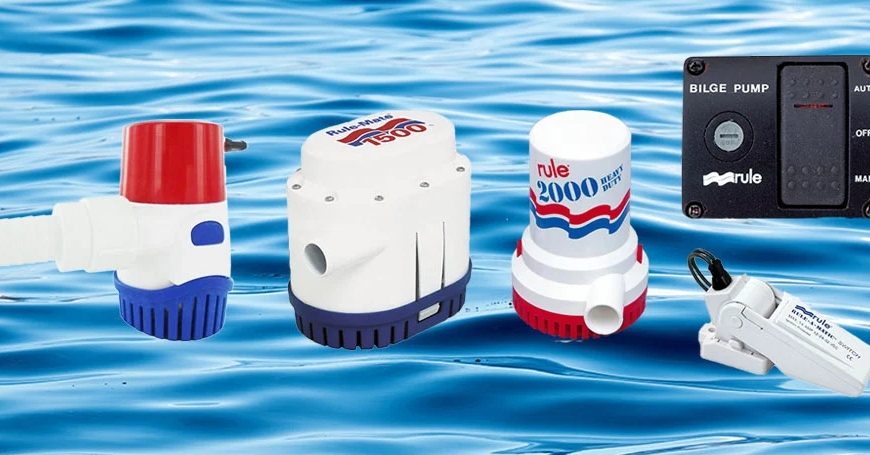
✅ Bilge Pump or Bailer
- Manual or electric
- Test before leaving
✅ First Aid Kit
- Marine or waterproof kit
- Include seasickness tablets
3. Navigation & Visibility
✅ Navigation Lights
- Working and visible
- Required between sunset and sunrise or in poor visibility
✅ Compass or GPS
- Don’t rely solely on a mobile phone
- Spare batteries if handheld
✅ Sound Signalling Device
- Whistle, horn, or air horn
- Required under COLREGs
4. Communication & Emergency
✅ VHF Radio (Strongly Recommended)
- Fixed or handheld
- Channel 16 monitored
- Operator should hold an SRC licence
✅ Mobile Phone
- Fully charged
- Waterproof case or dry bag
✅ Emergency Numbers
- Coastguard: Call 999 → ask for Coastguard
5. Engine & Fuel Checks
✅ Fuel
- Enough for trip + reserve
- Correct fuel mix (if 2-stroke)
✅ Cooling Water
- Check tell-tale before leaving
✅ Spare Fuel Line / Bulb
- Common failure point on small outboards
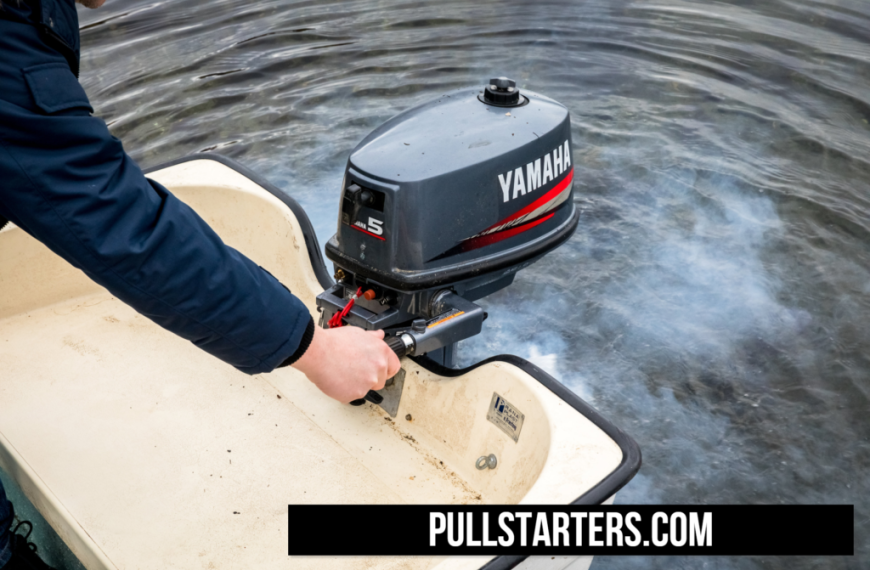
✅ Spare Pull Cord
- Cheap and invaluable
6. Weather, Tides & Planning
✅ Check Weather Forecast
- Wind strength & direction
- Visibility
- Sea state
✅ Check Tides
- Especially for shallow launches
- Beware of strong tidal flows
✅ Float Plan
- Tell someone:
- Where you’re going
- Who’s onboard
- Expected return time
7. Registration & Identification (UK)
✅ Boat Identification
- Name or registration visible
- Owner contact details onboard
✅ CG66 / SafeTrx Registration
- Free and highly recommended
- Makes rescues faster and safer
8. Trailer Safety (If Launching)
✅ Trailer Lights Working
✅ Wheel Bearings Checked
✅ Winch Strap & Safety Chain Secure
✅ Drain Bung Fitted Before Launch
9. Extra Recommended Items
🔹 Spare spark plugs
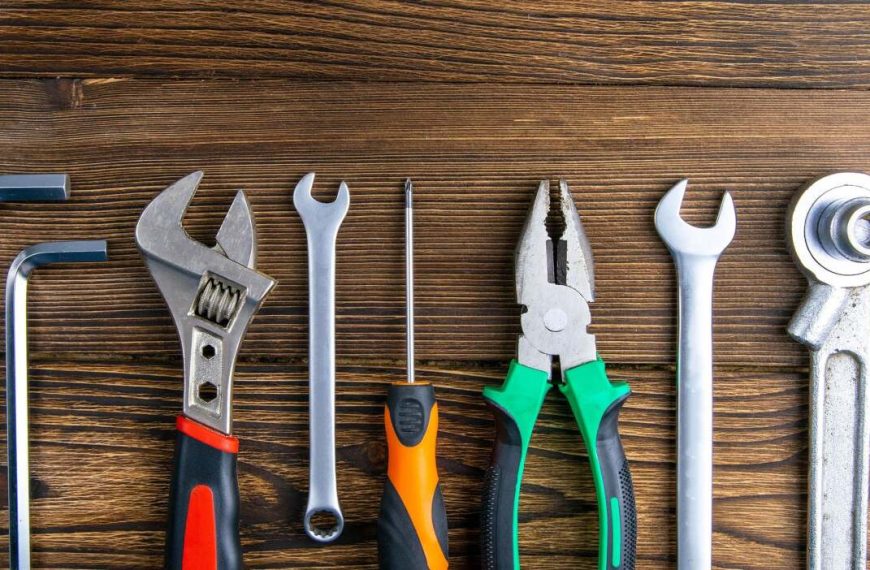
🔹 Basic tool kit
🔹 Torch or headlamp
🔹 Knife (accessible)
🔹 Flares (where appropriate)
🔹 Drinking water
Quick Pre-Departure Check (1-Minute)
✔ Lifejackets on board
✔ Fuel & kill cord checked
✔ Weather & tides checked
✔ Phone & VHF ready
✔ Someone knows your plan
Final Advice
Most incidents involving small boats are caused by poor preparation, not bad weather. A simple checklist like this dramatically reduces risk — especially for solo boaters and beginners.
If in doubt, don’t go out

 By
By