
What to Do If Your Outboard Fails at Sea
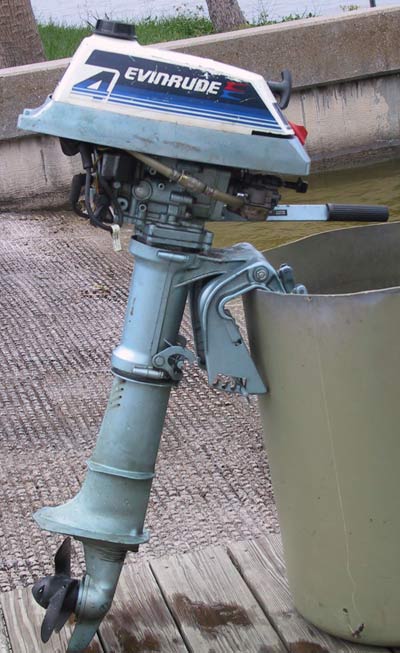
An outboard engine failure at sea is one of those situations every boat owner hopes never happens — but it does. Fuel issues, electrical faults, weeds in the prop, or simple mechanical failures can all stop an engine without warning.
The key thing to remember is this:
Most outboard failures are inconvenient, not dangerous — if you handle them properly.
An outboard engine failure at sea is one of those situations every boat owner hopes never happens — but it does. Fuel issues, electrical faults, weeds in the prop, or simple mechanical failures can all stop an engine without warning.
Here’s what to do, step by step.
1. Stay Calm and Assess the Situation
The moment your engine stops:
- Stay calm
- Keep everyone seated
- Take control of the boat
Panic leads to rushed decisions. A stopped engine doesn’t mean you’re in immediate danger.
Ask yourself:
- Are you drifting towards rocks, shallow water, or shipping lanes?
- Is the sea state calm or rough?
- Do you have time to troubleshoot?
2. Make the Boat Safe
Before touching the engine:
- Put on lifejackets if not already worn
- Make sure the kill cord is attached (and hasn’t been pulled)
- Assign someone to keep lookout
If you’re drifting towards danger:
- Deploy the anchor immediately if depth allows
- This can stop you being pushed onto rocks or into traffic
3. Check the Obvious First (It’s Often Simple)
Many “engine failures” are caused by very basic issues.
Quick checks:
- Kill cord: Is it connected properly?
- Fuel tank: Is there fuel in it?
- Fuel line: Is it connected and primed?
- Vent screw: Is the tank vent open?
- Gear lever: Fully in neutral?
Try restarting after each check.
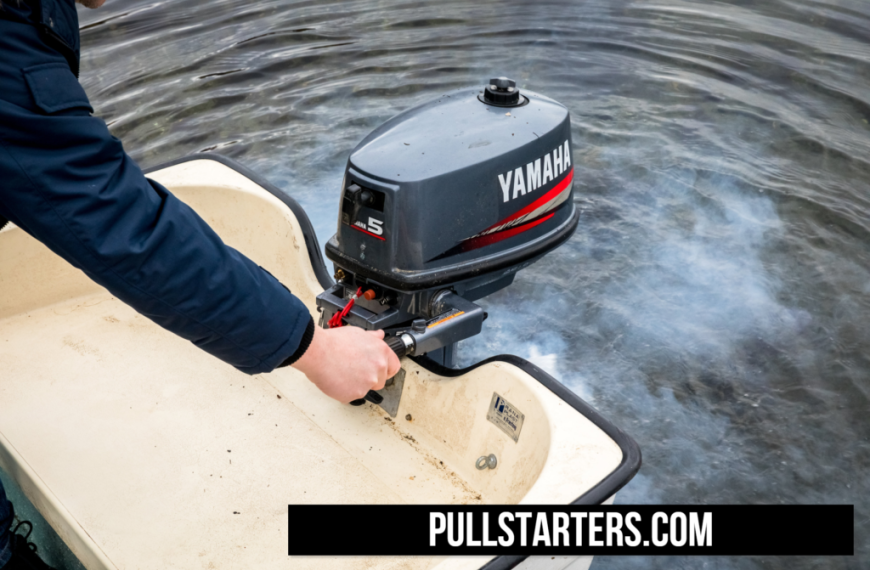
4. Check for Propeller or Intake Problems
If the engine runs but won’t move the boat:
- Look over the side (safely)
- Check for rope, weed, or plastic around the prop
- Tilt the engine up if possible
⚠️ Never put your hands near the prop if there’s any chance the engine could start.
5. Electrical and Fuel Checks
If the engine cranks but won’t start:
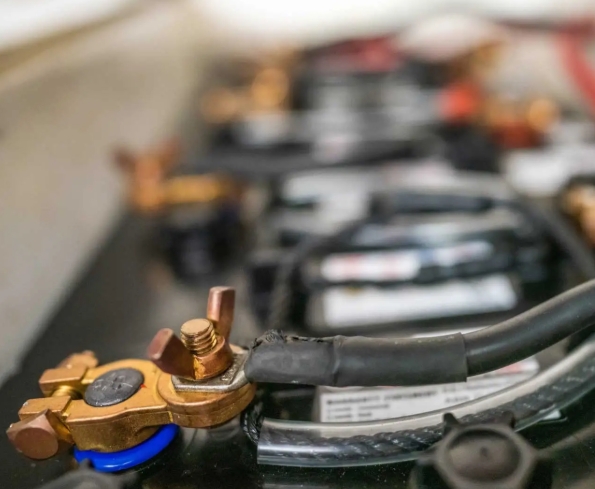
- Check battery connections (tight and clean)
- Check for blown fuses
- Listen for the fuel pump priming (if fitted)
If you smell fuel but it won’t start:
- Stop trying
- Ventilate
- Avoid repeated cranking
6. Try Basic Fault Isolation
If you have time and conditions allow:
- Remove and inspect the spark plug (wet = fuel getting through)
- Try a spare plug if you carry one
- Switch to a spare fuel tank if available
Many experienced boaters carry:
- Spare spark plugs
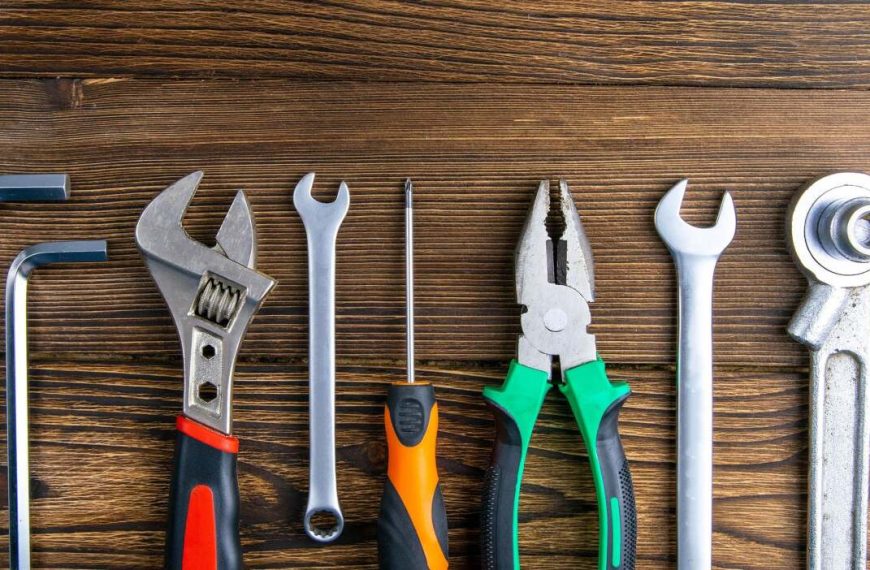
- A basic tool kit
- A small spare fuel line
7. Call for Help Early — Not Late
If the engine won’t restart quickly:
Use your VHF radio
- Channel 16
- Call for assistance early
- Use Pan-Pan if not in immediate danger
- Use Mayday only if life is at risk
Calling early gives you more options and avoids panic later.
8. Use Your Backup Options
Depending on your setup:
- Start your auxiliary (if fitted)
- Use oars or paddles (even small ones help with control)
- Set a drogue or anchor to control drift
Even limited control can make a big difference.
9. Prepare to Be Towed
If assistance is coming:
- Clear loose gear
- Rig strong tow points (bow cleat preferred)
- Keep hands clear of lines
Never tie a tow line to railings or weak fittings.
10. Learn From the Breakdown
Once safely ashore, don’t just forget about it.
Ask:
- What caused the failure?
- Could it have been prevented?
- Do I need better spares or tools onboard?
Most breakdowns come down to:
- Fuel issues
- Poor maintenance
- Electrical connections
Essential Safety Kit for Small Boats
Every small boat should carry:
- VHF radio (or PLB)
- Anchor with adequate rope
- Spare fuel
- Basic tool kit
- Spare spark plugs
- Paddle or oars
- Charged mobile phone in waterproof case
Final Thoughts
An outboard failure at sea is stressful — but it doesn’t have to be dangerous.
With:
- Calm thinking
- Basic checks
- Early communication
…most situations are resolved safely.
Good preparation turns a potential emergency into a manageable inconvenience.


 By
By