
Painting Over Antifoul: What You Should and Shouldn’t Do
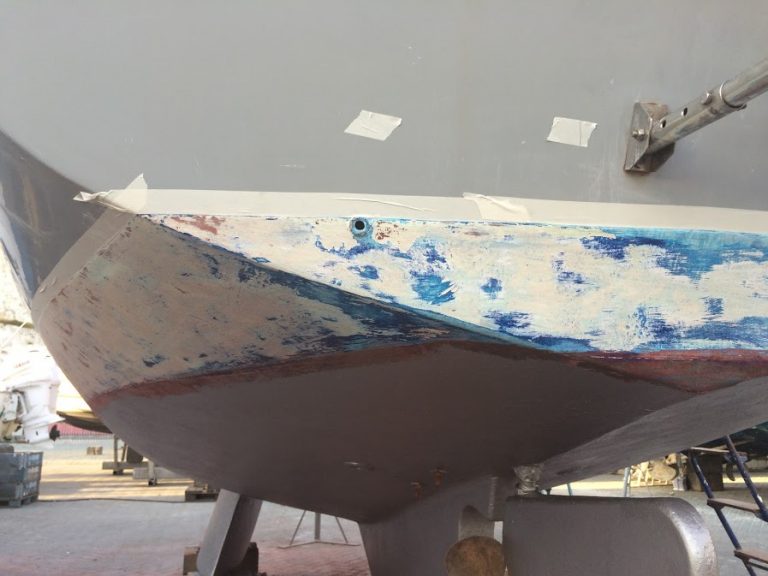
Antifoul paint protects your boat’s hull from marine growth, but over time it builds up, flakes, or loses effectiveness. Painting over old antifoul is possible — but only if you prepare the hull correctly and use compatible paint. Here’s what boat owners should know before starting.
✔ Should You Paint Over Old Antifoul?
Yes — but only if the old coating is:
- Firmly bonded
- Not flaking or powdery
- Compatible with the new antifoul
Tip: If you can wipe coloured residue off with your fingers, the coating may be too soft or chalky to overcoat.
🧽 Step 1: Clean the Hull Thoroughly
Use a pressure washer or hose to remove slime, salt, and loose growth. Allow the hull to dry fully before sanding or painting.

🪵 Step 2: Inspect and Sand
Use 80–120 grit sandpaper to create a key for the new antifoul to bond to. Sand lightly — you’re not removing all the old coats, just roughing the surface.
Warning: Antifoul dust is toxic. Always wear a mask and use a dust sheet.

🎨 Step 3: Check Paint Compatibility
Some antifoul types cannot be mixed:
- Hard antifoul can usually go over other hard coatings.
- Soft/self-eroding antifoul should only go over similar products.
- Copper-based antifoul may react with aluminium or incompatible paints.
Tip: If unsure, apply an intermediate primer to “separate” incompatible coatings.
🖌 Step 4: Apply the New Antifoul
Follow the manufacturer’s instructions for film thickness and number of coats. Typically:
- One coat for annual maintenance
- Two coats for heavy-use boats

❌ What You Shouldn’t Do
- ❌ Don’t paint over flaking or loose antifoul.
- ❌ Don’t mix incompatible types without checking the label.
- ❌ Don’t skip sanding — new coatings won’t bond well.
- ❌ Don’t paint in cold, damp, or windy conditions.
✔ Final Checklist Before Launching
- Is the paint fully dry?
- Are all areas evenly covered?
- Is the waterline correctly painted?
- Have you avoided drips or missed spots?
Regular touch-ups and good preparation will extend the life of your antifoul and keep your boat performing at its best.

 By
By
 By
By